American Retail Channels Respond to Fresh Gaming Inventory Surges
Retail operations across the United States have adjusted distribution methods as new gaming products reach store shelves and online platforms during 2026. Data from industry tracking organizations shows increased activity in both physical and digital channels when major titles launch, with inventory systems coordinating deliveries to meet demand in key markets. Observers note that these adjustments occur regularly around seasonal peaks, including periods such as October 2026 when multiple platforms release updated catalogs.
Supply chain records indicate that warehouses in major hubs like California and Texas receive consolidated shipments of console software, tabletop expansions, and peripheral items at staggered intervals. This timing allows stores to maintain balanced stock levels without overcommitment, while online fulfillment centers process orders through automated sorting equipment. According to figures released by the Entertainment Software Association, retail networks processed higher volumes of units during comparable windows in prior years, establishing patterns that continue into the current cycle.
Distribution Logistics Across Regions
Logistics providers coordinate with manufacturers to align arrival dates at distribution centers, reducing delays that previously affected smaller outlets in the Midwest and Southeast. Trucks carrying mixed loads of physical media and hardware accessories follow optimized routes that account for fuel costs and regional regulations, while air freight handles time-sensitive items destined for coastal stores. Those who monitor these networks report that integration between video game launches and related product categories creates efficiencies when planners synchronize restocking cycles across states.
Retail software platforms track real-time sales data to trigger automatic replenishment orders, connecting point-of-sale terminals in thousands of locations to central databases. This setup allows managers in urban centers to respond quickly when certain accessories move faster than expected, drawing from regional warehouses that maintain buffer inventories. Studies conducted by university researchers in Canada have examined similar systems and found measurable improvements in delivery accuracy when data sharing extends across borders.
Inventory Adjustments in Physical and Online Stores
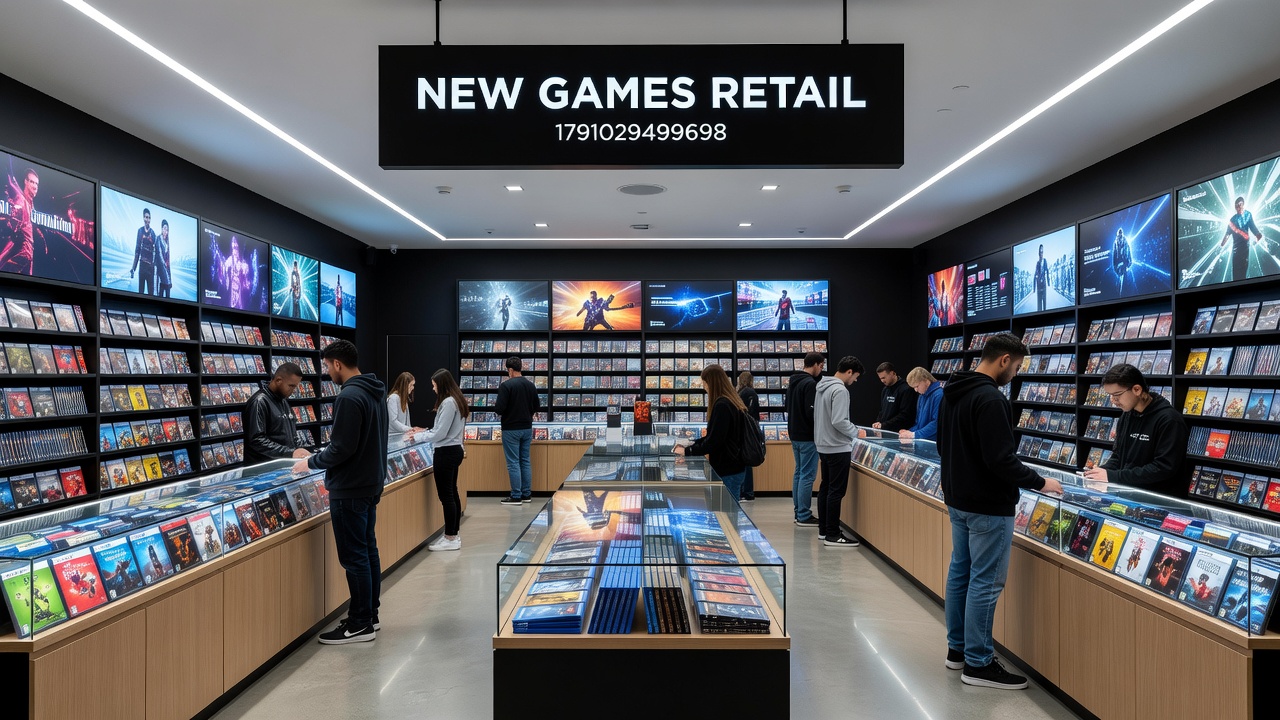
Physical locations update floor plans to accommodate new product displays, often shifting older stock to secondary aisles while featuring incoming releases near entrances. Online marketplaces adjust recommendation algorithms based on pre-order trends, directing traffic toward bundles that combine games with controllers or expansion packs. Figures from Australian Bureau of Statistics reports on consumer electronics show parallel movements in that market, where seasonal releases influence both in-store traffic and website visits during the same calendar windows.
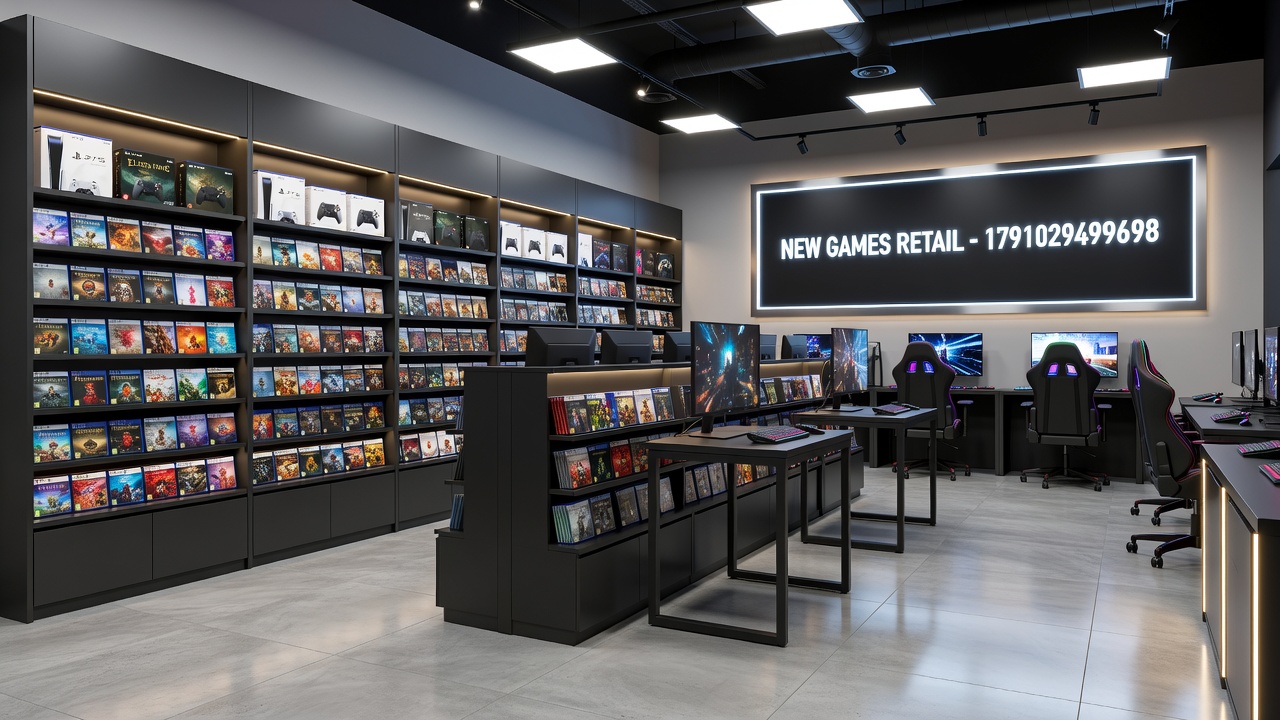
Staff training programs emphasize product knowledge for new arrivals, covering features of latest console editions alongside compatibility details for board game accessories. Training materials incorporate case examples from prior launch periods, highlighting how early communication between suppliers and buyers prevents common stock mismatches. People involved in these operations note that October periods often see accelerated schedules as holiday planning overlaps with regular release calendars.
Data Integration and Market Monitoring
Analytics teams compile sales reports from multiple sources to identify emerging trends in consumer preferences across different gaming formats. These reports feed into broader forecasting models used by retail chains to plan future orders, accounting for variables such as regional population growth and changes in disposable income levels. Research from European Union statistical offices tracks comparable retail metrics and reveals consistent linkages between software releases and accessory demand in member countries.
Payment processing systems handle increased transaction volumes during launch weeks, with fraud detection algorithms updated to address patterns specific to high-value electronics purchases. Security protocols evolve alongside these systems, drawing on shared intelligence from industry associations that operate across North America. The result appears in smoother checkout experiences for customers who complete orders through mobile apps or in-store kiosks.
Conclusion
Retail infrastructure in the United States continues to refine its response mechanisms as new gaming products enter circulation each season. Coordination between suppliers, transporters, and store networks supports steady availability while adapting to fluctuations observed in sales data. Continued monitoring by trade groups and academic institutions provides the measurements needed to sustain these operations through periods such as October 2026 and beyond.